
Finger Millet Benefits: Why Mandua and Jhangora Are Ancient Superfoods You Need
March 19, 2026
Kedar Khand vs. Manas Khand: History of Uttarakhand’s Sacred Regions [2026]
March 28, 2026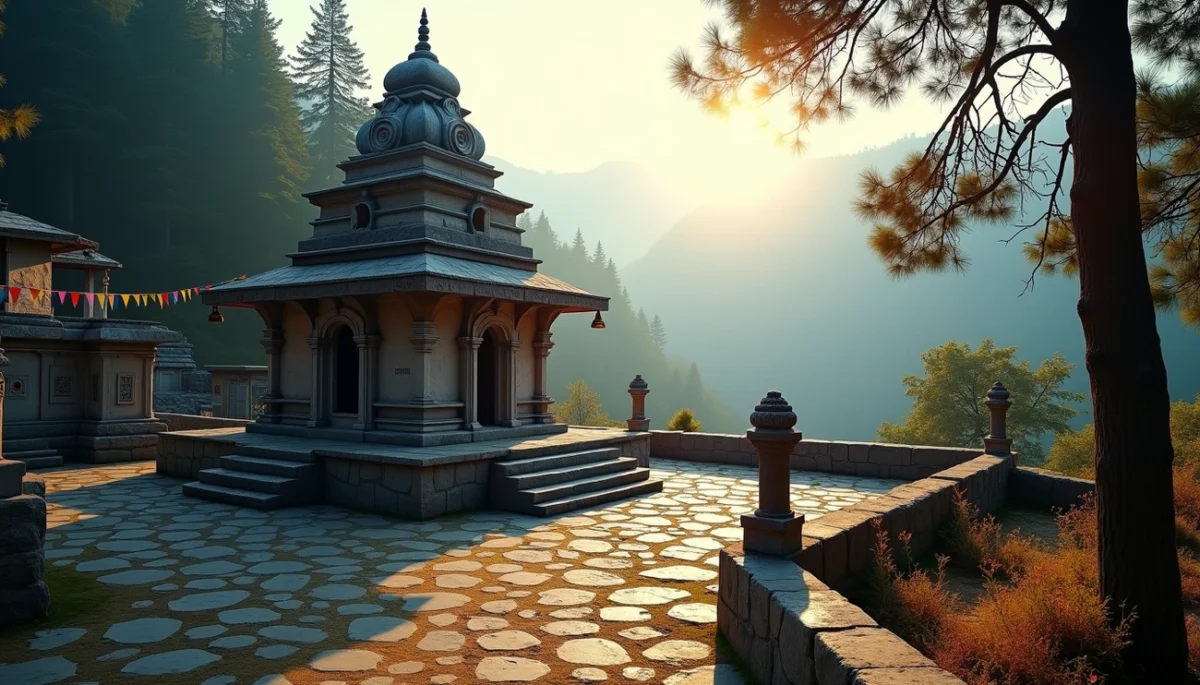
7 Hidden Temples in Uttarakhand Beyond the Char Dham
The famous temples in Uttarakhand like Kedarnath, Badrinath, Gangotri, and Yamunotri draw millions to the Chota Char Dham circuit each year. Yet many ancient shrines remain tucked away in remote valleys and mountain slopes. Uttarakhand, known as Devbhoomi (land of Gods), houses many sacred Hindu temples beyond these famous paths. We’ve curated this uttarakhand temple list featuring seven unexplored places in uttarakhand that offer deep spiritual experiences. These temples to visit in uttarakhand showcase distinctive architecture and ancient mythology. They provide serene environments that rival the famous temples of uttarakhand.
Jageshwar Dham: Ancient Temple Complex in Almora

Image Source: Incredible India
Temple Overview and History
Jageshwar Dham stands as one of the most important ancient temple complexes in northern India. The site houses a cluster of 125 temples spread across a narrow valley. The Archeological Survey of India protects this heritage site, which contains around 174 sculptures and over 25 inscriptions on temple walls and pillars. The temples honor Lord Shiva and have earned the site its popular name “Valley of Gods”.
Temple construction spans a remarkable timeline. The earliest structures date back to the fourth century AD during the Gupta period. The latest additions appeared in the 16th century. The Katyuri dynasty kings selected this location and built the original temples. The Ghand dynasty rulers renovated them in the seventh century AD. The Gujarat Pratihara dynasty contributed much during the 9th-10th centuries. Further construction followed in the 15th and 16th centuries.
The Mahamrityunjaya temple ranks as the oldest structure in the complex and dates to the 8th century AD. All temples follow the Nagara architectural style. This style features tall curvilinear spires (shikhara) topped with an amalaka (capstone) and kalasha (water urn symbol) above square sanctums. Most temples enshrine stone lingams. The site hosted 400 temples before time and vandalism reduced the count to 108 surviving structures.
Location and Accessibility
The temple complex sits in the Almora district, about 35-37 km from Almora town. The valley stretches 3.5 kilometers along the Jataganga rivulet at an altitude of 1,870 meters. Dense deodar forests, oaks, rhododendrons and pines surround it.
You need multi-modal transport to reach Jageshwar. Kathgodam railway station serves as the nearest railhead at 125 km distance and has connections to Delhi, Lucknow and Kolkata. The road takes 4-5 hours from Kathgodam. Pantnagar Airport provides the closest air connectivity at 150 km away with regular flights from Delhi. The drive from Pantnagar takes 4.5-6 hours through Haldwani and Almora.
State transport and private taxis operate from Almora to Jageshwar. One daily bus departs around 12 pm. Shared taxis remain the more frequent option, though they wait until full capacity before departure.
Key Highlights and Features
The complex showcases diverse architectural styles across different temples. The Dandeshwar Temple was built around the 9th-10th century and features a unique tiered shikhara design. The Nav Durga and Pushti Devi temples display the Valabhi Shikhara style. The Lakulisha and Tandeswar shrines exhibit Pidha-deval architecture.
An on-site Archeological Survey of India museum displays captivating stone sculptures. The collection has an exquisite Uma-Maheshwar image showing Lord Shiva and Parvati with celestial attendants. You can also find an ornate four-foot bronze statue of Pona Raja, a local ruler. The museum houses 36 sculptures in its first gallery and 18 in the second. These feature rare pieces like Vishapaharanamurti and four-armed Chamunda.
The site hosts two major festivals. The Jageshwar Monsoon Festival occurs in August during the month of Shravan. The Shivratri Mela takes place in early spring between February and March.
Best Time to Visit Jageshwar Dham
April to June and September to November are the most favorable times to visit. Summer temperatures range between 20°C to 25°C and provide pleasant weather for temple exploration. Winter months from December to February see temperatures dropping to -3°C. December remains comfortable for visits. The monsoon season brings unique charm with lush greenery and misty surroundings, but road connectivity may face challenges.
Why This Temple Deserves a Visit
Jageshwar Dham represents a rare concentration of ancient architecture. The temples are about 2,500 years old and belong to post-Gupta and pre-medieval eras. A red sandstone pillar from the 1st century BC was found and features engraved human and spiritual figures. This adds archeological importance. The Ekamukhalinga (a Shivling with Lord Shiva’s face carved on it) stands as one of the rarest specimens in northern India. The setting in a tranquil valley surrounded by snowcapped mountains creates an atmosphere where silence reigns supreme. This makes it perfect for meditation and spiritual reflection.
Kalimath Temple: Sacred Shakti Peeth in Rudraprayag

Image Source: eUttaranchal
Temple Overview and Spiritual Significance
Kalimath Temple perches on the banks of River Saraswati in Rudraprayag district, positioned approximately 13 km north of Guptkashi at an altitude of 1,800 meters. Srimad Devi Bhagwat Mahapuran recognizes this shrine as one of the 108 Shakti Peeths in India. The temple stands out as the only Siddha Peeth in the Kedarnath valley.
Hindu mythology connects this site to a fierce battle between Goddess Kali and the demon Raktabija. The Goddess descended underground at this exact location after slaying the demon. The legend states that Raktabija could regenerate from every drop of blood touching the ground. This forced Goddess Kali to consume his blood during the fight. She entered the earth following her victory and created the sacred site worshippers revere now.
An unusual aspect sets Kalimath apart from other temples in uttarakhand: worshippers honor only the lower portion of Goddess Kali here. Devotees worship the upper half at Dhara Devi Temple, situated between Rudraprayag and Srinagar. The temple serves as a rare sanctuary where Goddess Kali, Goddess Lakshmi, and Goddess Saraswati receive worship at the same time.
Location and Accessibility Details
The temple sits near Ukhimath in Rudraprayag district and maintains proximity to the Kedarnath pilgrimage route. This positioning makes Kalimath reachable for pilgrims undertaking the Kedarnath Yatra.
Jolly Grant Airport in Dehradun functions as the nearest airport, located approximately 204 km from the temple. Frequent busses and taxis operate between Dehradun and Rudraprayag. Haridwar Railway Station, positioned 210 km away, offers better connectivity than Rishikesh railhead at 186 km distance. Visitors can hire taxis or board busses to reach the destination from either station.
Road transport provides the most convenient access. The temple lies 49 km from Rudraprayag and roughly 20 km from Ukhimath. Shared jeeps and taxis ply between these towns and Kalimath regularly. The shrine remains reachable throughout the year despite its hillside location.
Unique Worship Practices and Features
Worshippers pay homage to a Sri Yantra instead of traditional idols, a sacred geometric diagram. This silver plate covers the sacred pit where Goddess Kali entered the earth. The plate remains closed year-round except on the eighth day of Navratri.
The eighth day holds exceptional significance as devotees worship Goddess Kal-Rathri, a holy form of Kali. Only the chief priest performs the midnight puja on this auspicious occasion. Believers maintain that worshippers receive divine blessings on this day, and their wishes get fulfilled eventually.
A perpetual flame burns at the nearby Lakshmi Mata temple. The region follows a distinctive tradition where residents bring newly purchased vehicles to Kalimath Temple for blessing before use. Women observe fasts from morning till evening during the entire Navratri festival as reverence to the Goddess.
Best Time to Visit Kalimath
Summer months from April to June provide ideal conditions, with temperatures ranging between 20°C to 36°C. The pleasant weather during this period suits temple visits and outdoor activities. Autumn, spanning September to November, brings comfortable temperatures and reduced landslide risks following monsoon season.
The nine-day Navratri festival represents the most significant visiting period. The temple celebrates this event with extraordinary devotion and draws large crowds of pilgrims. Monsoon season continues from July to September and brings heavy rainfall that may cause road blockages. Winter witnesses freezing conditions with temperatures dropping to zero degrees Celsius.
Why This Hidden Temple is Special
Kalimath’s tantric tradition associations make it spiritually powerful for meditation and deeper practices. The temple’s setting amid peaks and dense forests creates a mystical atmosphere. As the sole Siddha Peeth in the Kedarnath valley, it represents a concentrated point of divine feminine energy. The worship of three goddesses symbolizing strength, wealth, and wisdom at the same time remains exceptionally rare among famous temples of uttarakhand. The hidden idol practice and annual silver plate showing add layers of mystery that set this shrine apart from conventional temples to visit in uttarakhand.
Triyuginarayan Temple: Lord Shiva’s Wedding Site

Image Source: Travelophila
Temple Overview and Mythology
Triyuginarayan Temple is known as the sacred venue where Lord Shiva married Goddess Parvati. This ancient shrine, dedicated to Lord Vishnu, stands in Rudraprayag district at an altitude of 1,980 meters. The temple’s name derives from Sanskrit words meaning “Lord of Three Ages” and signifies its existence through Satya Yuga, Treta Yuga, and Dvapara Yuga.
Goddess Parvati practiced rigorous penance at Gauri Kund, located 5 kilometers away, to win Shiva’s acceptance according to Hindu dharma. Shivpuran states that Shiva proposed to Parvati at Guptakashi. Their celestial marriage took place in Triyuginarayan village at the confluence of Mandakini and Sone-Ganga rivers. Lord Vishnu performed Parvati’s kanyadaan (giving away the bride), while Lord Brahma served as the priest conducting wedding rituals. A stone called Brahma Shila, positioned in front of the temple, marks the exact wedding location.
Location and How to Reach
The temple sits about 12 kilometers from Sonprayag on a motorable road. Sonprayag serves as the base point for both Kedarnath and Triyuginarayan pilgrims. It offers parking, transport, and food options. The total trekking distance from Kedarnath, which lies to the north, spans about 25 kilometers.
Rishikesh Railway Station, positioned 214 kilometers away, serves as the nearest railhead. Jolly Grant Airport in Dehradun is 244 kilometers from the temple. The road from Sonprayag to Triyuginarayan turns narrow and hilly. Small cars, jeeps, or shared taxis are required. Shared jeep services operate during peak pilgrimage seasons. Private vehicles can reach a small parking area near the village, and a 1-2 kilometer walk follows depending on road conditions.
Eternal Flame and Sacred Kunds
The temple’s most extraordinary feature is the Akhand Dhuni, a perpetual fire burning in a four-cornered fireplace since the divine marriage. This fire used to be self-igniting in ancient times, but Jamloki Brahmins of Kedarghati maintain it in Kaliyug. Devotees add samidha (sacrificial wood offerings) to the flame and collect ashes, believed to promote conjugal bliss.
Four sacred kunds surround the temple complex. Rudra Kund serves for bathing, Vishnu Kund for cleansing, Brahma Kund for sipping, and Saraswati Kund for offering libations. The Saraswati Kund originated from Vishnu’s navel according to legend and feeds water into the other three kunds. Pilgrims believe these waters possess powers to cure infertility.
Best Time to Visit Triyuginarayan
April to June and September to November are optimal visiting periods. Summer temperatures range between 10°C to 30°C and provide comfortable conditions for exploration. The post-monsoon autumn season offers crystal-clear views of Himalayan ranges. Temperatures stay between 8°C to 20°C. Winter transforms the landscape into a snow-covered setting, though temperatures drop between -5°C to 10°C, and access routes may face closures. Monsoon season from July to August brings landslide risks and slippery paths.
Why This Temple Stands Out
Triyuginarayan serves as an active wedding venue where couples perform pheras around the same eternal fire that witnessed Shiva-Parvati’s union. This makes it one of the rare temples in uttarakhand where devotees can marry at the exact location where gods once wed. The temple houses a silver, 2-foot image of Vishnu accompanied by Lakshmi and Saraswati. The combination of mythological significance and perpetual sacred fire sets this site apart from other temples to visit in uttarakhand. Couples can marry under divine blessings here.
Lakhamandal Temple: Ancient Shiva Shrine in Dehradun

Image Source: Wikipedia
Temple Overview and Archeological Significance
Lakhamandal Temple is an ancient Hindu shrine with deep roots in mythology and archeology. The Archeological Survey of India protects this complex as a monument of national importance. Ancient records show that the temple complex once housed around 1 lakh (100,000) small and large lingas. This is why the site came to be known as Lakhamandal, where ‘Lakha’ means one lakh.
The site connects directly to Mahabharata legends. Local belief holds that this marks the place where Duryodhana conspired to burn the Pandavas alive in the Lakshagriha (house of wax). The Pandavas escaped through underground tunnels. One end of these tunnels can be seen 2 km from the temple still.
The present Nagara style temple dates to the 12th-13th century CE. A 6th-century stone inscription records the construction of a Shiva temple at Lakhamandal by Princess Ishwara. She belonged to the royal race of Singhpura and built it to ensure the spiritual welfare of her late husband Chandragupta. The earliest structural evidence at the site goes back to the 5th-8th century CE. This is based on brick structures noticed below the stone pyramidal structure.
Location and Accessibility Information
The temple sits in the Jaunsar-Bawar region of Dehradun district at an altitude of 1,370 meters (3,772 feet) above sea level. It stands on the banks of the Yamuna River. Dehradun lies 128 km away by road. Mussoorie sits at 78 km and Chakrata at 60 km distance.
Travelers can reach the temple by road from Dehradun via Chakrata or Mussoorie routes. The nearest railway station and airport are both in Dehradun. The trip from Dehradun takes around 4-5 hours. The road winds through mountains and tribal villages.
Unique Shivling and Historical Features
The main attraction remains the unique graphite Shivalingam that shines like a mirror. It reflects a person’s image when water is poured on it. This reflective property creates a spiritual experience for devotees. Twin statues of Danav and Manav stand beside the main shrine as dwarpals (doormen).
The complex houses several idols of Ganesha, Parvati and Vishnu. Ancient footmarks believed to be Parvati’s appear on rocks within the temple premises. Around 150 stone engraved figures have been found. Some date from as early as the 4th-5th centuries.
Best Time to Visit Lakhamandal
March to June is the peak season with pleasant weather and mild temperatures ranging from 15°C to 30°C. September to November offers another ideal window with comfortable weather ranging from 10°C to 20°C and excellent visibility. Monsoon season from July to August brings heavy rainfall. This could lead to landslides and make travel hazardous. Winter months from December to February can be very cold with temperatures dropping below freezing point.
Why This Temple is Worth Visiting
Pilgrims seeking Shiva’s blessings find peace at this site. They believe that visiting this shrine will end their misfortunes. The combination of ancient Nagara architecture and Mahabharata connections with the unique graphite Shivling creates a perfect blend for history buffs and spiritual seekers. The mystical aura comes with whispers of epic legends. Mighty Himalayan peaks surround it and make it a captivating destination among unexplored places in uttarakhand.
Kainchi Dham: Neem Karoli Baba’s Sacred Ashram

Image Source: Neem Karoli Baba Ashram and Hanuman Temple
Ashram Overview and Spiritual Energy
Kainchi Dham functions as a spiritual sanctuary nestled in the Kumaon Hills near Nainital, built by revered saint Neem Karoli Baba in 1964. The ashram takes its name from the two sharp hairpin bends resembling scissors (kainchi in Hindi) on the road where it sits. The site sits along the banks of the Kosi River and is surrounded by dense forests. This creates an atmosphere where devotees experience profound calm and spiritual awakening.
Neem Karoli Baba, affectionately called Maharaj-ji by followers, built the first temple and inaugurated it on June 15, 1964. The complex mainly honors Lord Hanuman, whom Baba considered the embodiment of selfless service and devotion. His teachings centered on simple principles: love everyone, serve everyone, and remember God. The ashram operates under Shri Kainchi Hanuman Mandir Trust, the sole government-notified body to administer it.
Location and How to Reach
The ashram sits 17 km from Nainital and 9 km from Bhowali on the Nainital-Almora road. Kathgodam Railway Station is the nearest railhead at about 37 km distance and offers connections to major cities. The journey from Kathgodam takes about 2 hours by taxi or bus.
Pantnagar Airport, located about 71 km away, provides air connectivity with flights from Delhi. Travelers can hire taxis from the airport. The drive takes 2-3 hours through scenic hills. Regular bus services operate from Delhi’s Anand Vihar Bus Station to Haldwani, from where Kainchi Dham remains 1.5 hours away.
Miracles and Key Highlights
Devotees credit countless miraculous occurrences to Neem Karoli Baba’s divine grace. Stories include emotional healing, relief from chronic illnesses, mental clarity, and resolution of long-standing problems. One famous incident involved a train stopping when Baba was forced off without a ticket near Farrukhabad. The train refused to move until he reboarded, which led to his first ashram construction at Neem Karoli village.
A cave near the ashram marks where Baba performed meditation and prayer. The complex houses temples dedicated to Hanuman and Ram-Sita, alongside Baba’s shrine built in 1976 following his passing in September 1973.
Best Time to Visit Kainchi Dham
March to June brings pleasant weather with temperatures between 15°C and 30°C. September to November offers tranquil conditions with cool, refreshing weather and minimal rainfall. The annual Bhandara on June 15 draws thousands of devotees but results in large crowds and limited availability. Monsoon months of July and August bring heavy rainfall that causes landslides and roadblocks.
Why This Place Attracts Global Devotees
Kainchi Dham became internationally known through visits from renowned personalities. Steve Jobs traveled here in the 1970s seeking purpose. The experience influenced his vision of simplicity that guided Apple’s philosophy. Mark Zuckerberg visited during a challenging phase at Facebook on Jobs’ advice and found the peace transformative. Julia Roberts reportedly became influenced by Baba’s teachings after seeing his photograph. The ashram’s universal spirituality exceeds religious boundaries and attracts Hindus, Buddhists, Christians, and seekers without formal religion. This makes it distinctive among temples to visit in uttarakhand and offers a blend of spiritual power and global appeal rare in unexplored places in uttarakhand.
Adi Badri: Ancient Cluster of 16 Temples

Image Source: Indian Columbus
Temple Complex Overview
Adi Badri has a sacred cluster of 16 ancient temples, though only 14 structures survive today. The complex holds prime position as the first temple in the Panch Badri pilgrimage circuit, which has Badrinath, Bhavishya Badri, Yogdhyan Badri and Vridh Badri. The main shrine honors Lord Narayan, a manifestation of Lord Vishnu. It houses a revered black stone idol that stands three feet tall.
Hindu mythology associates profound meaning with this site. Believers maintain that Lord Vishnu resided at Adi Badri during Satyug, Treta and Dwapar ages before moving to Badrinath in Kalyug. Legend states that Maha Rishi Ved Vyasa composed Shri Mad Bhagwat Maha Puran at this exact location. The name ‘Adi’ translates to ‘ancient.’ This reflects the temple’s primordial status among temples in uttarakhand.
Location and Accessibility
The temple complex sits 18 kilometers from Karnaprayag in Chamoli district. It perches at an elevation of 1,800 meters above sea level. The site rests near the confluence of Alaknanda and Pinder rivers and creates a picturesque backdrop.
Jolly Grant Airport in Dehradun serves as the nearest airport at 209 kilometers distance. Rishikesh functions as the closest major railhead at 192 kilometers. Visitors can hire taxis or board busses through Devprayag, Srinagar and Rudraprayag to reach Karnaprayag from Rishikesh. The final 18-kilometer stretch leads to Adi Badri. An alternative route connects from Nainital or Ramnagar through Ranikhet to Karnaprayag.
Ancient Architecture and Significance
The temple construction dates back to the late Gupta period that spans the 5th to 8th centuries. Adi Shankaracharya endorsed these temples’ construction to spread Hindu tenets across the nation. The main temple features a raised pyramidal platform where the black stone idol stands. Temple heights vary from 2 to 6 meters and showcase the architectural diversity within the compact complex. South Indian Brahmins conduct rituals as chief priests.
Best Time to Visit Adi Badri
The temple opens on Makar Sankranti and remains available until November. May, June, September and October provide ideal visiting conditions with pleasant weather. Summer temperatures range between 20°C to 30°C and facilitate comfortable exploration. Monsoon season from July to September requires caution due to potential landslides.
Why This Hidden Gem Matters
Adi Badri is a vital component of the Panch Badri circuit and serves as the substitute site for Badrinath temple during certain periods. The spiritual lineage that connects Vishnu’s presence across multiple yugas makes this site sacred for devotees who seek blessings. Combined with its Gupta-era architecture and Ved Vyasa connections, Adi Badri stands among the most important unexplored places in uttarakhand.
Mahasu Devta Temple: Unique Huna Architecture Shrine

Image Source: Tripadvisor
Temple Overview and Regional Importance
This rare 9th-century shrine stands on the banks of Tons River in Hanol village. The Jaunsar-Bawar communities revere it as their principal deity. Local beliefs hold that Mahasu Devta is a form of Lord Shiva. Devotees throughout Uttarakhand and Himachal Pradesh honor him as the “God of Justice” and accept his decisions as binding. The temple follows an extraordinary “living deity” tradition. During festivals and ceremonies, the deity possesses a chosen individual. This practice dates back centuries and appears in only a few temples in Uttarakhand.
Location in Jaunsar-Bawar Region
The temple sits about 200 km from Dehradun and 100 km from Chakrata. It is positioned 156 km from Mussoorie and 140 km from Shimla. Hanol rests 95 km from Chakrata on the Chakrata-Tuini-Mori road. The journey requires 4 hours from Chakrata and 6 hours from Dehradun. The Archeological Survey of India maintains this monument of national importance.
Distinctive Architecture and Features
The sanctuary was built in Huna architectural style. It showcases Kath-Kuni construction that blends stone and wood naturally. The stone shikhara follows classical Nagar style. A steeply-pitched slate pent roof covers it and is topped with a two-tiered conical canopy and tapered kalasha. Corner bells hang from the balcony and sway with the slightest breeze. The annual Mahasu Jatra Festival brings elaborate rituals and cultural performances. Folk dances and traditional music celebrate Lord Mahasu.
Best Time to Visit Mahasu Devta
Summer offers pleasant and dry climate. Most visitors come to this region during these months. Monsoons bring extreme rain and difficult terrain. Winters turn very cold. March to June and September to October provide perfect conditions to explore.
Why This Temple Is a Chance for Unique Experience
The living deity phenomenon combined with centuries-old Hun architecture makes this site exceptional among famous temples of Uttarakhand. The intricate wooden carvings reflect traditional craftsmanship that spans several centuries. Visitors witness authentic Jaunsari culture through festivals. The deity’s physical form creates spiritual experiences that conventional temples to visit in Uttarakhand cannot offer.
Conclusion
Just to repeat, these seven hidden temples showcase Uttarakhand’s spiritual wealth beyond the crowded Char Dham circuit. Jageshwar’s ancient temple cluster and the eternal flame at Triyuginarayan each offer distinctive experiences steeped in mythology and architectural brilliance. These sacred sites provide intimate spiritual encounters that famous temples often cannot deliver due to overwhelming crowds.
Planning visits to remote locations requires extra effort. However, the authentic cultural immersion and peaceful meditation opportunities make the trip worthwhile. I encourage you to explore these unexplored places in Uttarakhand to experience transformative pilgrimage experiences that connect you with Devbhoomi’s sacred essence.
Key Takeaways
Discover Uttarakhand’s spiritual treasures beyond the crowded Char Dham circuit through these seven hidden temples that offer profound experiences with unique architecture, ancient mythology, and serene environments.
• Jageshwar Dham houses 125 ancient temples spanning 4th-16th centuries, featuring the rare Ekamukhalinga – one of northern India’s rarest Shivlings with Lord Shiva’s face carved on it.
• Triyuginarayan Temple maintains an eternal flame burning since Lord Shiva and Parvati’s divine wedding, where modern couples can still marry around the same sacred fire.
• Kalimath Temple practices unique worship rituals – only the lower portion of Goddess Kali receives worship here, with the upper half honored at a separate temple 100km away.
• These hidden gems offer intimate spiritual experiences without the overwhelming crowds of famous pilgrimage sites, providing authentic cultural immersion and peaceful meditation opportunities.
• Best visiting window spans April-June and September-November across all temples, offering pleasant weather conditions and optimal accessibility through mountain roads.
These sacred sites represent concentrated points of divine energy where ancient traditions continue unchanged, making them perfect alternatives for seekers wanting transformative pilgrimage experiences in Devbhoomi’s mystical landscape.