

The Science and Folklore of Jagar in Uttarakhand: Why These Rituals Still Matter
March 18, 2026
Beyond the Char Dham: 7 Ancient Temples in Uttarakhand You’ve Never Heard Of
March 20, 2026Introduction
One fact stands out when learning about finger millet benefits: this ancient grain contains three times more calcium than milk. Finger millet, known as Mandua or Jhangora in different regions, is a gluten-free whole grain rich in nutrients. Finger millet nutrition has 0.38% calcium, 18% dietary fiber, and up to 3% phenolic compounds. The health benefits of ragi extend to blood sugar management, heart health, and weight control beyond bone-strengthening calcium. Research shows that this millet can reduce triglycerides by 8% and LDL cholesterol by 10% when consumed. We’ll learn the detailed benefits of ragi and show you practical ways to incorporate this superfood into your daily diet.
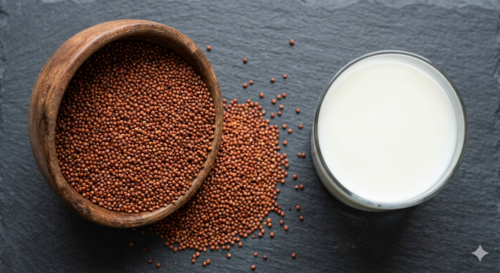
What is Finger Millet: Understanding Mandua and Jhangora
Origins and cultivation of finger millet
Finger millet, scientifically known as Eleusine coracana, was domesticated in the East African highlands around 5,000 years ago. The grain originated in regions that now form Ethiopia and Uganda. It spread to South Asia about 3,000 years ago from these highlands and became integrated into agricultural systems in India and Nepal.
Regional names vary widely. Locals call it Mandua or Jhangora in Uttarakhand’s mountainous terrain. Southern Indian states like Karnataka, Andhra Pradesh and Telangana know it as Ragi. This climate-resilient crop now grows in 25 countries in Africa and Asia. Its adaptability allows cultivation at altitudes reaching 2,400 meters in the Himalayas.
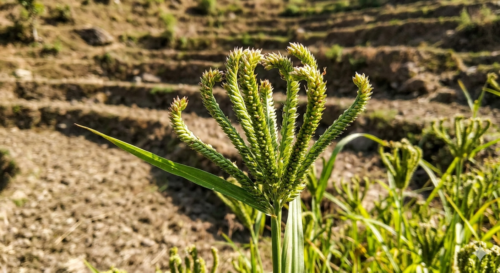
The plant develops deep, spreading root systems that search for water in difficult conditions. So it tolerates extreme heat and cold better than other cereals. Farmers value its fast maturation cycle of about four months and storage capabilities. Grains stored on spikes maintain quality for up to 10 years.
Nutritional composition and key nutrients
Finger millet’s nutritional profile exceeds most common cereals. Protein content ranges from 7.5% to 11.7% in different cultivars. Carbohydrates make up 72% to 79.5% of the grain, mainly as starch that digests slowly.
Mineral content sets finger millet apart:
- Calcium: 300-350 mg per 100g, the highest among all cereals
- Iron: 3.7-6.8 mg per 100g
- Magnesium: 142-193 mg per 100g
- Phosphorus: 141-303 mg per 100g
- Zinc: 2.13-2.98 mg per 100g
Essential amino acids make up 44.7% of total amino acids, compared to just 33.9% in reference proteins. The grain contains higher levels of lysine, threonine and valine than other millets.
Why it’s called a superfood
A few factors make finger millet a superfood. The grain provides gluten-free nutrition for people with celiac disease or gluten sensitivity. Its low glycemic index and carbohydrates that digest slowly help regulate blood glucose levels.
Dietary fiber content reaches 18% and supports digestive health. Polyphenol compounds range from 0.3% to 3% and provide antioxidant protection against oxidative stress. Storage pest resistance adds another advantage, making it a reliable famine crop in drought-prone regions.
India produces about 1.70 million tons annually on 1.07 million hectares, establishing finger millet as nutritionally superior to rice and wheat for resource-poor communities.
Health Benefits of Finger Millet
Helps manage blood sugar and diabetes
Finger millet demonstrates remarkable antidiabetic properties. Its mean glycemic index of 52.7 sits 36% lower than milled rice at 71.7 and refined wheat at 74.2. Long-term consumption reduced fasting blood glucose by 12% and post-prandial levels by 15% in diabetic subjects. HbA1c levels dropped from 6.65% to 5.67% among pre-diabetic individuals. The grain’s polyphenols inhibit α-amylase and α-glucosidase enzymes, slowing carbohydrate breakdown and preventing glucose spikes.
Strengthens bones with high calcium content
Finger millet provides up to 49% of the recommended dietary allowance for calcium. Studies show 23.4% calcium retention from finger millet-based diets, supporting bone accretion during growth. Calcium resorption reduced by 28% and 47% among peri and post-menopausal women respectively. This makes it especially valuable to prevent osteoporosis and fractures in later life.
Supports heart health and reduces cholesterol
Finger millet consumption reduced total cholesterol by 8%, LDL cholesterol by 10%, and triglyceride levels by 9.5%. HDL cholesterol increased by 6%. Diastolic blood pressure decreased by 5%. These changes moved participants from above-normal to normal ranges. Four studies showed triglyceride levels dropping from hypertriglyceridemic conditions above 150 mg/dl to normal levels below 150 mg/dl.
Helps digestion and gut health
The 18% dietary fiber content encourages regular bowel movements and prevents constipation. Finger millet acts as a prebiotic and increases beneficial gut bacteria including Lactobacillus and Bifidobacteria while suppressing harmful Enterobacter. This fiber also slows gastric emptying, supporting steady nutrient absorption.
Supports weight management
Finger millet’s low glycemic index and high fiber content create satiety and reduce overall calorie intake. BMI decreased by 7% in overweight and obese individuals consuming millet-based diets. The grain prevents insulin spikes that drive fat storage around the belly.
Rich in antioxidants for anti-aging
Phenolic compounds ranging from 0.3% to 3% provide powerful antioxidant protection. These antioxidants curb oxidative stress linked to cancer and cardiovascular problems. Antioxidant capacity improved in healthy individuals substantially, with ferric ion-reducing power increasing from 679.5 to 763.9.
How to Include Finger Millet in Your Diet
Finger millet flour for rotis and breads
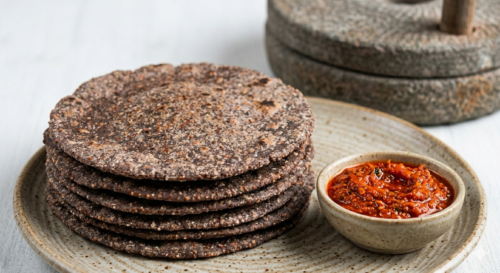
Mix finger millet flour with wheat flour in equal proportions for rotis that roll with ease. The wheat adds gluten and makes the dough workable. Prepare stiff dough and let it rest for two hours before rolling. The gluten structure develops during this resting period. Flour your work surface well, as the dough tends to stick. You can also make 100% finger millet rotis by patting the dough on a hot griddle, though this requires practice.
Porridge and breakfast options
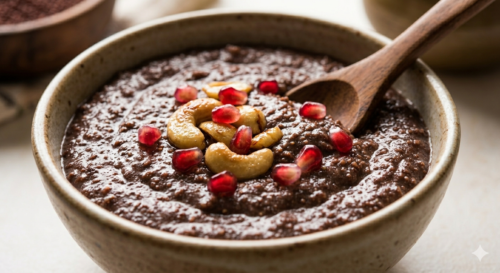
Ragi porridge comes in sweet and savory versions. Mix 2 tablespoons ragi flour with water until smooth to prepare sweet porridge, cook on low heat while stirring for 5-8 minutes, then add jaggery and cardamom. Top with ghee-fried nuts or pomegranate seeds. You can also prepare savory ragi kanji by cooking the flour, cooling it, then whisking with buttermilk and salt.
Finger millet snacks and laddus
Roast ragi flour in ghee on low heat for 8-10 minutes to eliminate raw smell. Grind roasted peanuts and sesame seeds with cardamom, then blend with the cooled flour and jaggery. The mixture releases oil and binds the laddus when ground.
Beverages and malted drinks
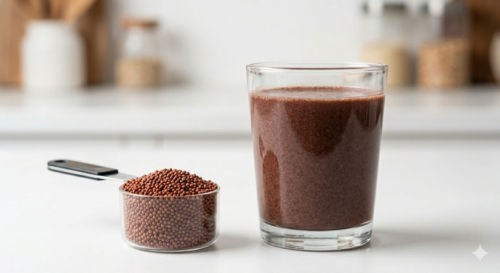
Ragi malt serves as a nutritious drink made by cooking ragi flour with water or milk until thick and smooth. Add jaggery for sweetness and cardamom for flavor. Serve warm for breakfast or chilled during summer months.
Who Should Eat Finger Millet and Important Precautions
Best for diabetics and weight watchers
If you have diabetes, finger millet’s glycemic index of 50-55 stabilizes blood sugar and reduces gestational diabetes risk affecting 2-10% of pregnancies. The grain’s high fiber promotes satiety and helps weight watchers control appetite while reducing overall calorie intake. It’s gluten-free, which makes it suitable for those with celiac disease or gluten intolerance.
Benefits for pregnant women and children
Pregnant women get most important benefits from finger millet’s 344mg calcium per 100g. This supports fetal bone development and maternal bone health. Iron content of 3.9mg per 100g curbs anemia and increases hemoglobin levels by up to 13.2%. This addresses the fact that over 50% of pregnant women in India suffer from iron-deficiency anemia. Folate supports neural tube defect prevention. Fiber reduces constipation common during pregnancy. Ragi malt or kanji provides nutrient-dense weaning food for infants and children.
Precautions and potential side effects
Start with 50-100g daily. High fiber may cause bloating if you have sensitive digestive systems. If you have kidney stone history, consult doctors before regular consumption because of oxalate content. Those with hypothyroidism need caution. Ragi contains goitrogens that interfere with iodine absorption. You can reduce these concerns by consuming it twice weekly in limited quantities, soaked or roasted.
Conclusion
Finger millet stands as a nutritional powerhouse that delivers ground health benefits. It manages blood sugar and strengthens bones with triple the calcium of milk. This ancient grain addresses modern health concerns.
You can call it Mandua, Jhangora, or Ragi. The grain adapts to your diet through rotis, porridge, or snacks with ease. Yes, making this superfood part of your regular meals is a simple yet powerful step toward better health. Start with small quantities and watch the benefits unfold.
Key Takeaways
Finger millet (Mandua/Jhangora/Ragi) is an ancient superfood that delivers exceptional nutritional benefits, making it a powerful addition to modern diets for managing health conditions and supporting overall wellness.
- Exceptional calcium content: Contains 3x more calcium than milk (300-350mg per 100g), making it ideal for bone health and preventing osteoporosis.
- Blood sugar management: Low glycemic index of 52.7 helps reduce fasting glucose by 12% and supports diabetes management better than rice or wheat.
- Heart health benefits: Regular consumption reduces total cholesterol by 8%, LDL by 10%, and triglycerides by 9% while increasing beneficial HDL cholesterol.
- Easy dietary integration: Mix with wheat flour for rotis, prepare as porridge, or make nutritious beverages – start with 50-100g daily for best results.
- Perfect for specific groups: Ideal for diabetics, pregnant women (combats anaemia), weight watchers, and those with gluten sensitivity due to its gluten-free nature.
This nutrient-dense grain transforms from an ancient sustenance crop to a modern superfood, offering a practical solution for those seeking natural ways to improve their health through diet.